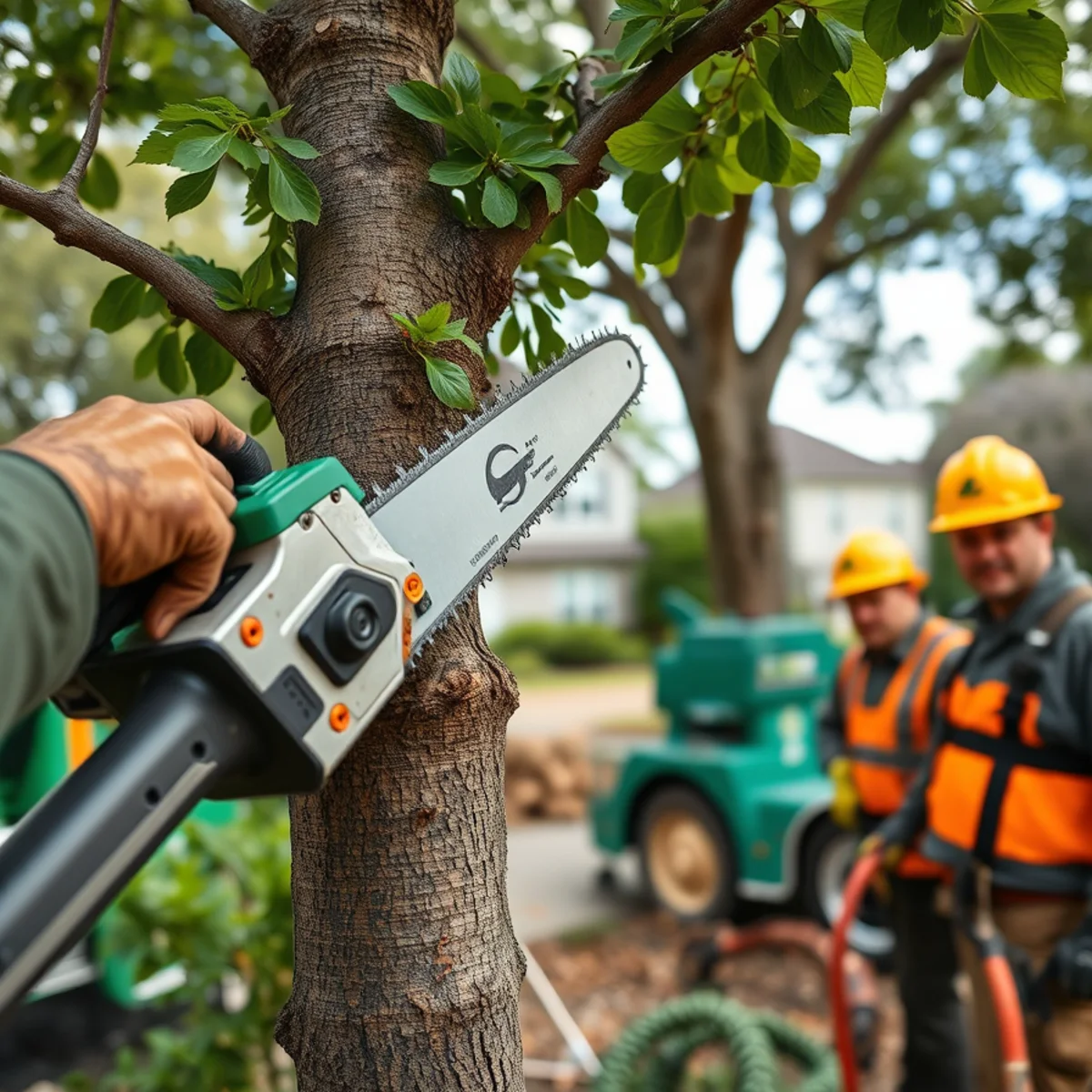
People use "trimming" and "pruning" like they mean the same thing, and honestly, most of the time it doesn't matter which word you use. But there is a real difference in what the work is for, and knowing it helps you take better care of your trees. Here's how we think about it after years of doing both.
The short answer
Both words describe cutting parts off a tree. The difference is the goal.
Pruning is the broader craft. It's making careful, targeted cuts to improve a tree's health, structure, and safety, removing dead or diseased wood, fixing weak branch angles, and shaping how the tree grows over time.
Trimming usually refers to the more routine side, cutting back overgrowth for clearance and looks. Getting limbs off the roof, off the power line, or away from the driveway. Keeping a tree tidy.
In the trade, most arborists just say "pruning" as the umbrella term for all of it. So don't get hung up on the label. Focus on what your tree actually needs.
The main types of pruning
When we come out to a property in Haslett or Holt, we're usually doing one or more of these. Knowing the names helps you tell a good crew what you're after.
Crown cleaning
Removing the dead, dying, diseased, and broken branches. This is the bread and butter of good tree care. It reduces hazards, improves the tree's look, and stops decay from spreading. Almost every tree benefits from a cleaning now and then.
Crown thinning
Selectively taking out some interior branches to let light and air move through the canopy. Done right, thinning reduces wind resistance and eases the load on heavy limbs, which matters a lot when Michigan's ice and wind storms roll in. Done wrong, it strips the tree bare. It's a job for someone who knows where to cut.
Crown raising
Removing the lower branches to clear space beneath the tree, over the sidewalk, the driveway, or the yard. One of our regular customers had us raise the crown on several of their trees to open up the space underneath, and it made the whole property feel bigger.
Crown reduction
Reducing the overall height or spread of the tree with proper cuts back to healthy growth. This is the right way to make a tree smaller. It is not the same as topping, and the difference matters enormously. You can read more about the careful approach on our crown reduction and thinning service page.
When to prune in Michigan
Timing is where local knowledge really earns its keep.
For most trees, late winter is the sweet spot. The tree is dormant, so it isn't stressed. With the leaves gone, we can read the structure clearly and make smart cuts. And the wounds close up fast once spring growth kicks in.
Dead, broken, or clearly hazardous limbs are the exception. Those can and should come off any time of year. If a branch is cracked and hanging over where the kids play, we're not waiting for winter.
The oak wilt rule you have to know
Here's the one that trips people up. If you have oak trees, only prune them between November and March.
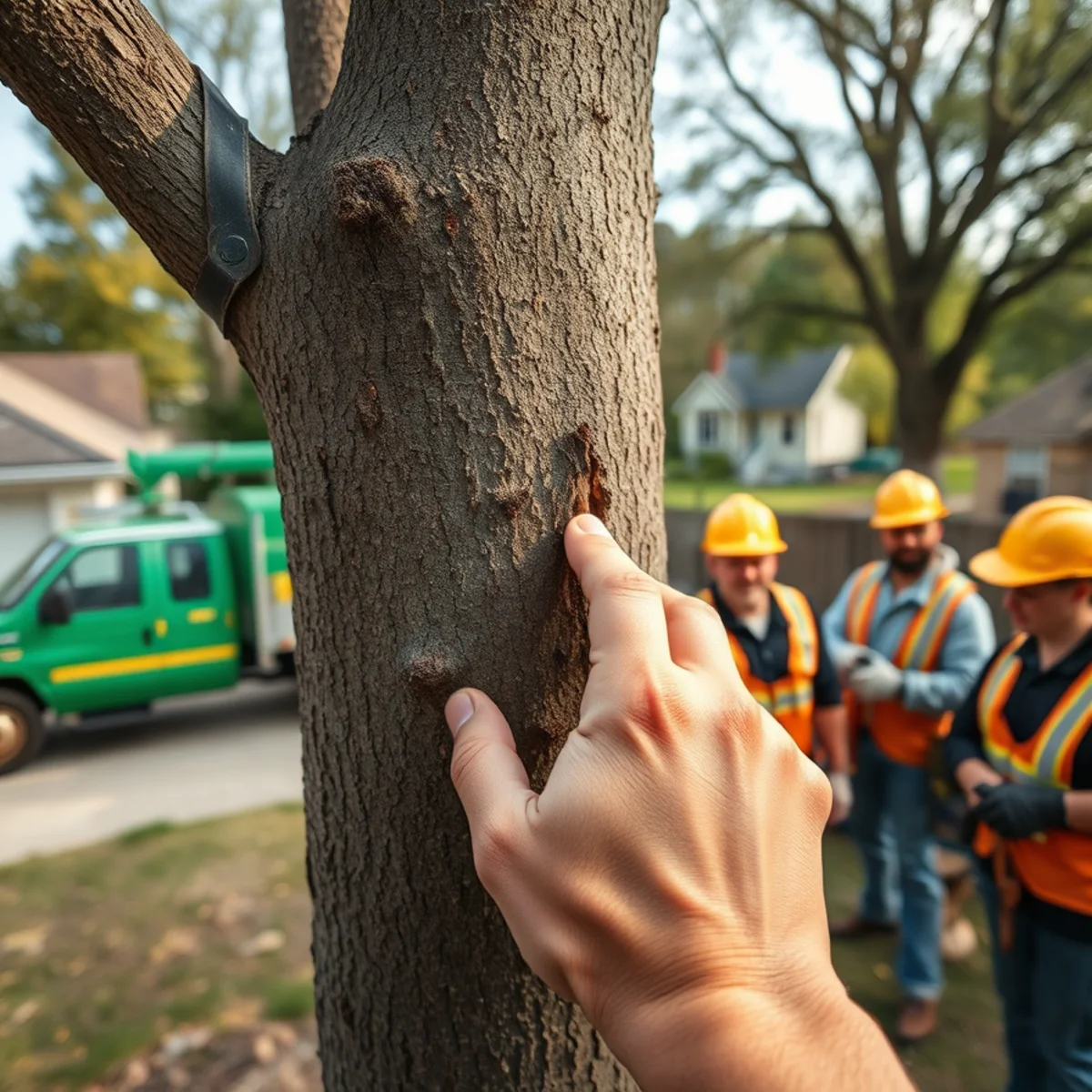
Oak wilt is a deadly fungal disease that has killed a lot of Michigan oaks. It spreads in part through beetles that are drawn to the sweet smell of a fresh pruning cut during the growing season. Prune an oak in June and you're practically ringing the dinner bell. Stick to the dormant window, roughly November through March, when those beetles aren't active, and you dramatically lower the risk. This is one place where "when" matters as much as "how." If you spot trouble in an oak or an ash, our tree disease and pest treatment service can help you figure out what's going on.
Why topping is not pruning
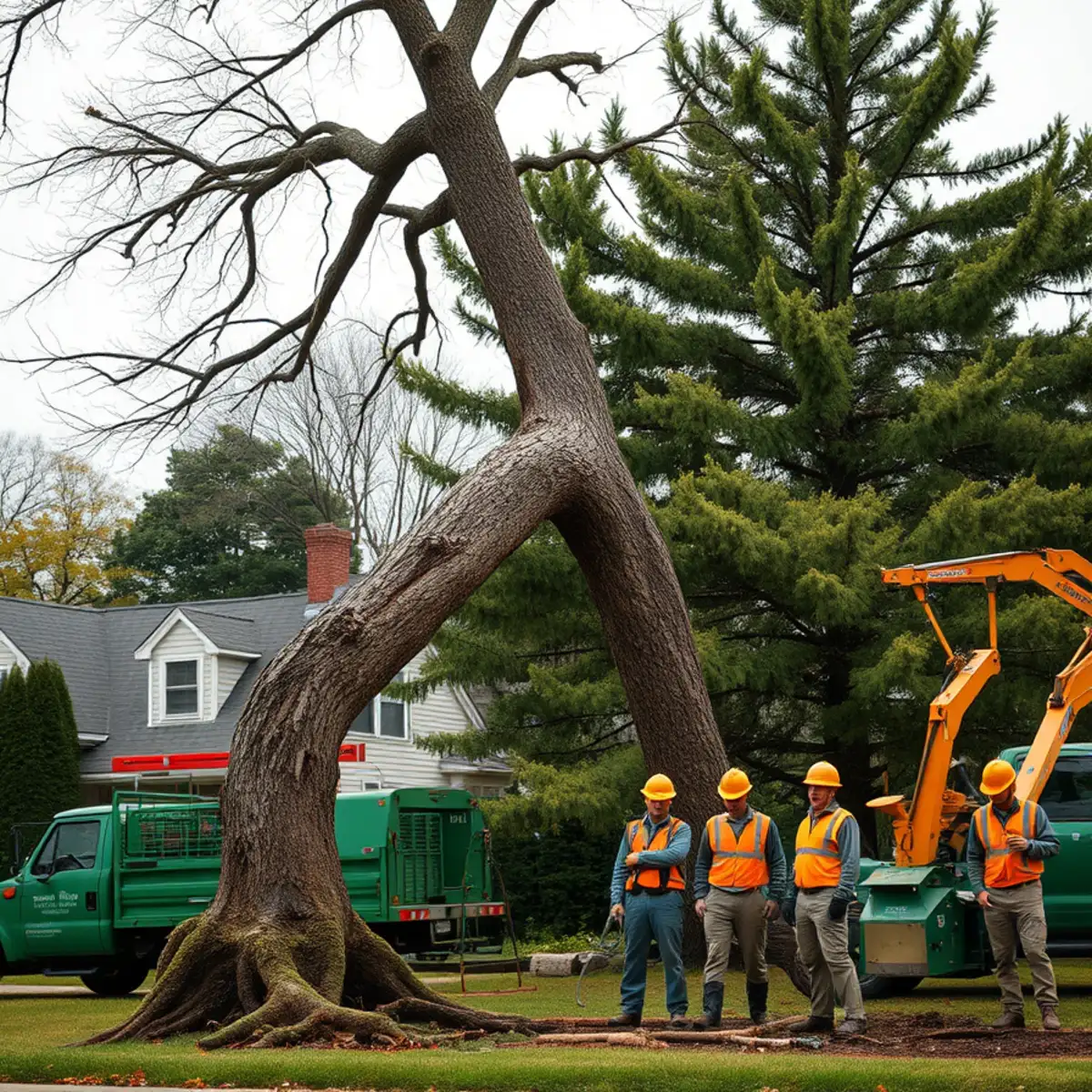
We have to say this because we clean up after it so often. Topping is cutting the entire crown back to stubs, hacking a tree down to a few bare poles. It looks like a quick fix. It's a disaster.
Topping starves the tree by removing the leaves it needs to feed itself. It opens huge wounds that decay and disease pour into. And it triggers a flush of weak, fast-growing shoots that are poorly attached and far more likely to snap in the next storm. A tree that's been topped is often more dangerous a few years later, not less.
If a tree is too big, the answer is a proper crown reduction by someone who knows the cuts, not a chainsaw massacre.
Don't forget young trees
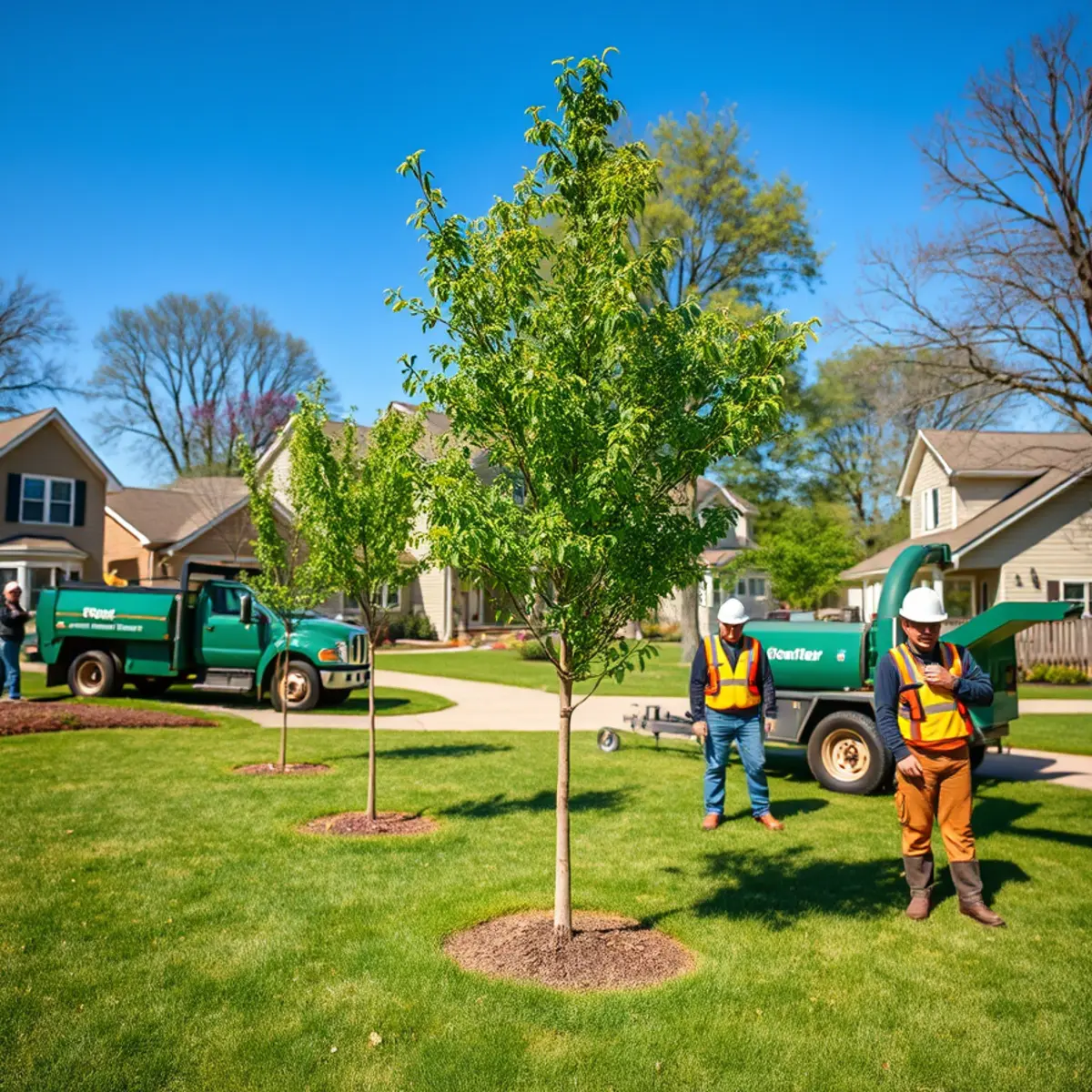
The best pruning you'll ever pay for happens when a tree is young. Early structural pruning, guiding a young tree to a strong central leader and good branch spacing, prevents the weak, split-prone shapes that cause expensive problems decades later. A little work now saves a big removal later.
How often, and who should do it?
Many mature shade trees do well with a professional pruning every three to five years. Young trees benefit from more frequent, lighter attention while they're getting established.
Small stuff you can reach from the ground with hand tools? Fair game to do yourself. But anything requiring a ladder, a chainsaw, or working near wires belongs to an insured crew. Falls and kickback injuries send Michigan homeowners to the ER every year, and it's just not worth it. Our tree trimming and pruning team has the gear and the training to do it safely.
Trimming or pruning, the goal is the same: healthy, safe, good-looking trees that hold up to everything Michigan weather throws at them. Call us at (208) 635-2100 for a free estimate, and we'll tell you honestly what your trees need and when.
Frequently asked questions
Tree service near you
Written by
Hayworth Tree Service